
Tina Russell · 31 October 2026
Uncovering Efficiency Gains Through Feature Combinations in Independent Site Management Tools
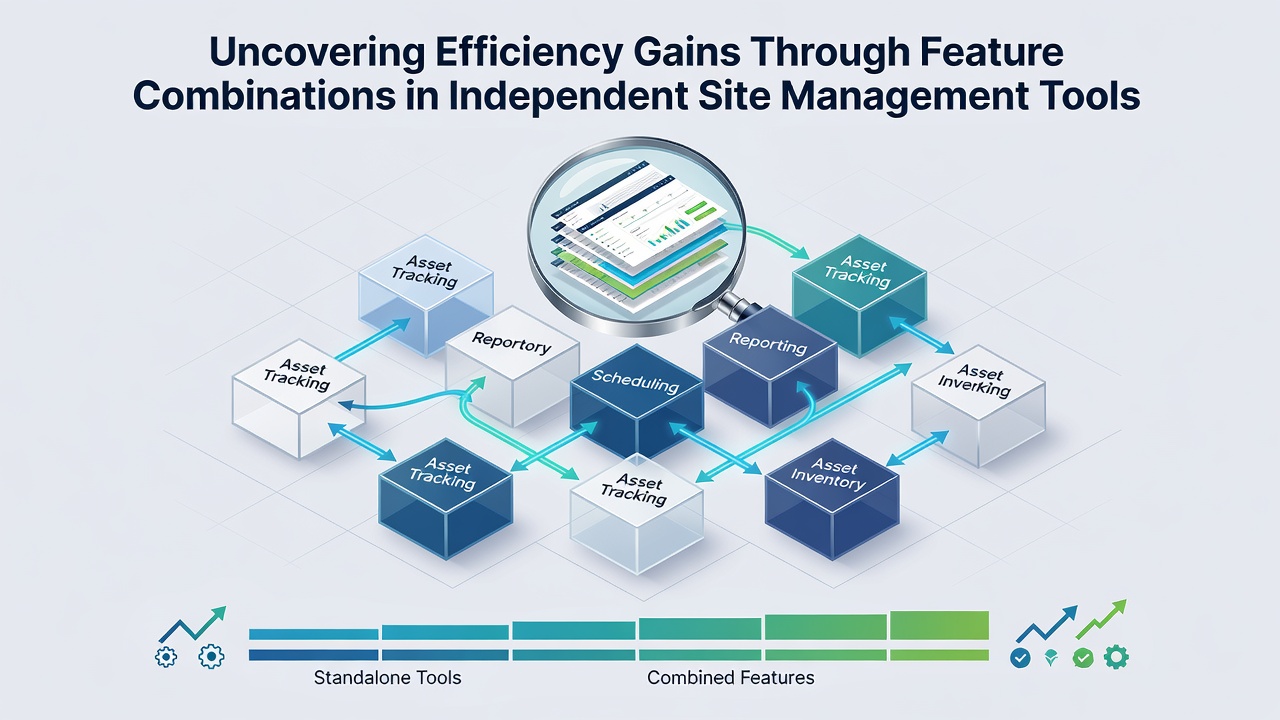
Independent site management tools have evolved to support operators who handle their own online properties without large teams, and combinations of built-in features often produce measurable efficiency improvements across daily operations. Research from multiple regions shows that pairing analytics modules with automation sequences allows users to reduce manual reporting time by integrating data pulls directly into scheduled tasks, while content scheduling tools linked to performance trackers adjust publication timing based on real-time metrics without separate interventions.
Core Mechanisms Behind Combined Features
Feature combinations work by linking separate functions into unified workflows, so that when an analytics component detects traffic patterns it can trigger adjustments in a linked SEO module or email notification system. Observers note that platforms offering native APIs for these connections avoid the delays common in external plugin setups, and data from industry reports indicate average time savings of 25 to 40 percent on routine monitoring activities when such integrations operate within a single interface. Studies conducted in Canada highlight how small-scale site operators using combined inventory and visitor tracking functions maintain updated stock displays alongside user behavior logs, cutting down on cross-referencing steps that previously required multiple logins.
Those managing multiple properties find additional value when backup systems integrate with version control features, creating automated restore points that align with content update logs. This setup reduces recovery time during site issues because the tools reference the same underlying database rather than relying on disconnected exports. Figures from the Australian Bureau of Statistics reveal that businesses adopting these paired capabilities reported higher consistency in site uptime metrics during 2025 compared with those using isolated functions.
Practical Applications Across Site Operations
Analytics combined with user permission controls provide one clear example of efficiency, as administrators can generate role-specific reports that update automatically when team access changes occur. In October 2026, several platforms expanded these pairings to include compliance checkers that flag data handling inconsistencies directly within the reporting view, drawing on updated regulatory guidelines from the European Union. Operators who activate both features together avoid separate compliance audits because the system flags potential issues at the point of data collection rather than after reports are finalized.
Another combination involves search optimization modules paired with image compression utilities, where the system evaluates page load impacts immediately after uploads and suggests adjustments before publication. This integrated approach eliminates the back-and-forth between separate optimization and testing stages that many independent operators previously managed through external services. Evidence from academic reviews at institutions such as the University of Melbourne shows measurable reductions in page load delays when these functions share processing pipelines rather than operating sequentially.
Quantified Outcomes from Integrated Approaches
Quantitative assessments of feature pairings demonstrate consistent patterns across different tool categories. When traffic monitoring links directly to keyword research functions, operators observe faster identification of underperforming pages because the combined view surfaces correlations without manual data export steps. Reports compiled by the OECD on digital productivity note that organizations employing such unified systems allocated fewer hours to administrative coordination, allowing reallocation toward content development or audience engagement activities.
Security logging combined with update scheduling produces another documented benefit, as the platform can defer non-critical patches until low-traffic windows identified by the analytics layer. This timing reduces visitor disruption while maintaining protection standards, and data collected across North American and European deployments indicate fewer security incidents tied to delayed maintenance when these features coordinate internally. The result appears in lower overall operational overhead because fewer emergency interventions become necessary.
Conclusion
Feature combinations in independent site management tools deliver efficiency through tighter integration of monitoring, automation, and adjustment functions that previously required separate handling. Data collected from varied geographic sources continues to illustrate time reductions and consistency gains when these pairings operate within unified environments, and ongoing platform developments through late 2026 suggest further refinements in how such connections support sustained site performance.