
David Becker · 17 October 2026
Strategic Resource Deployment in Tailored Digital Frameworks for Autonomous Sites
Autonomous sites operate as standalone digital entities that rely on specialized platforms to manage operations without constant external oversight, and strategic resource deployment involves allocating time, budget, and technical assets across customized frameworks to maintain performance and growth. Data from industry reports shows these sites often integrate modular tools that adapt to specific traffic patterns and content needs, allowing operators to prioritize high-impact areas such as server optimization and content distribution networks.
Core Elements of Resource Deployment
Observers note that effective deployment begins with mapping available assets against site objectives, which includes assessing hosting capacity, software licenses, and personnel hours in relation to projected user engagement metrics. Research indicates that tailored frameworks enable precise scaling because they support variable resource loads rather than fixed allocations common in generic platforms, and this flexibility proves useful when traffic spikes occur during seasonal events or promotional campaigns. In October 2026, updates to digital infrastructure standards are expected to influence how these frameworks handle real-time adjustments, particularly in regions tracking data sovereignty requirements.
People who manage such sites frequently combine analytics software with automation scripts to redistribute resources dynamically, while case studies from independent operators reveal that early identification of underutilized bandwidth or storage prevents bottlenecks before they affect load times. Those who've studied deployment patterns find that integrating API connections between core systems and monitoring dashboards creates a feedback loop where performance data directly informs reallocation decisions.
Tailored Frameworks and Their Applications
Tailored digital frameworks differ from off-the-shelf solutions because they incorporate site-specific modules for tasks like content management, security protocols, and search visibility enhancements, and experts have observed that this customization allows autonomous sites to deploy resources more efficiently across multiple channels. For instance, a framework might link customer relationship tools directly to inventory systems so that marketing spend aligns with available stock levels without manual intervention. Figures from recent analyses show that sites using such integrated setups report lower operational overhead compared to those relying on disconnected applications.
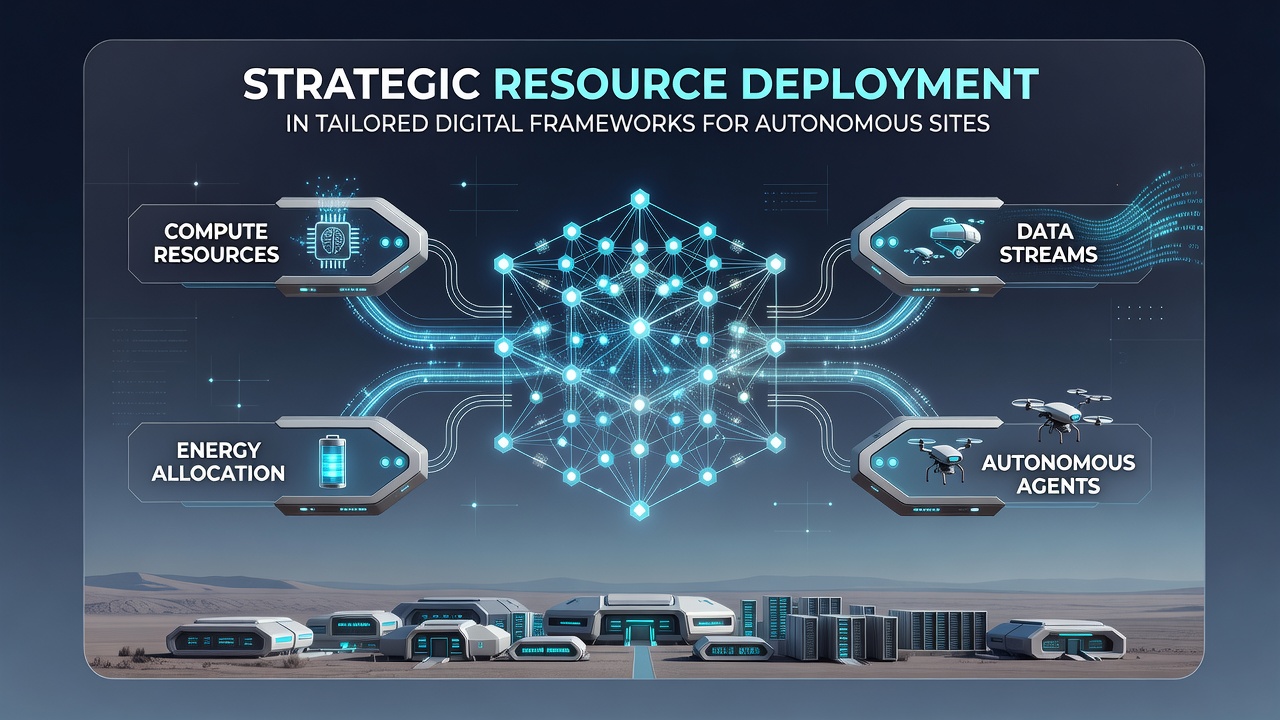
What's interesting is how these frameworks accommodate regional variations in data regulations, since operators in different jurisdictions must adjust resource priorities accordingly. According to reports from the OECD on digital transformation, frameworks that embed compliance features reduce the need for separate audit processes and free up technical staff for development work. Similarly, studies from Canadian research institutions highlight that sites incorporating localized payment gateways and caching strategies achieve steadier uptime during peak periods.
Implementation Patterns Observed in Practice
Implementation typically follows a phased approach where initial resource mapping identifies core needs, followed by testing of framework components in controlled environments before full rollout, and this sequence helps minimize disruption to ongoing site activities. Researchers discovered that autonomous sites benefit from hybrid models that blend cloud-based storage with on-premise processing for sensitive data, thereby balancing cost with security demands. One study revealed that operators who scheduled quarterly reviews of resource utilization maintained more consistent growth trajectories than those without structured evaluation cycles.
Yet the reality is that external factors such as algorithm changes from major search engines or shifts in advertising platforms can force rapid redeployment, which is why many frameworks now include simulation tools that model potential outcomes before changes are applied. Data shows that sites employing these predictive features experience fewer revenue interruptions during transitions, and integration with third-party monitoring services further supports proactive adjustments.
Conclusion
Strategic resource deployment within tailored frameworks continues to shape how autonomous sites sustain operations amid evolving digital conditions, with patterns emerging around modular integration, compliance embedding, and dynamic scaling. Evidence from multiple sources underscores the value of aligning technical assets with measurable site goals rather than generic benchmarks, and ongoing developments through late 2026 are likely to refine these approaches further as new standards take effect. Operators who track these evolutions through established industry channels position their sites for sustained functionality across varied market conditions.