Tina Russell · 19 September 2026
Resource Allocation Patterns in Standalone Digital Projects Using Specialized Platforms
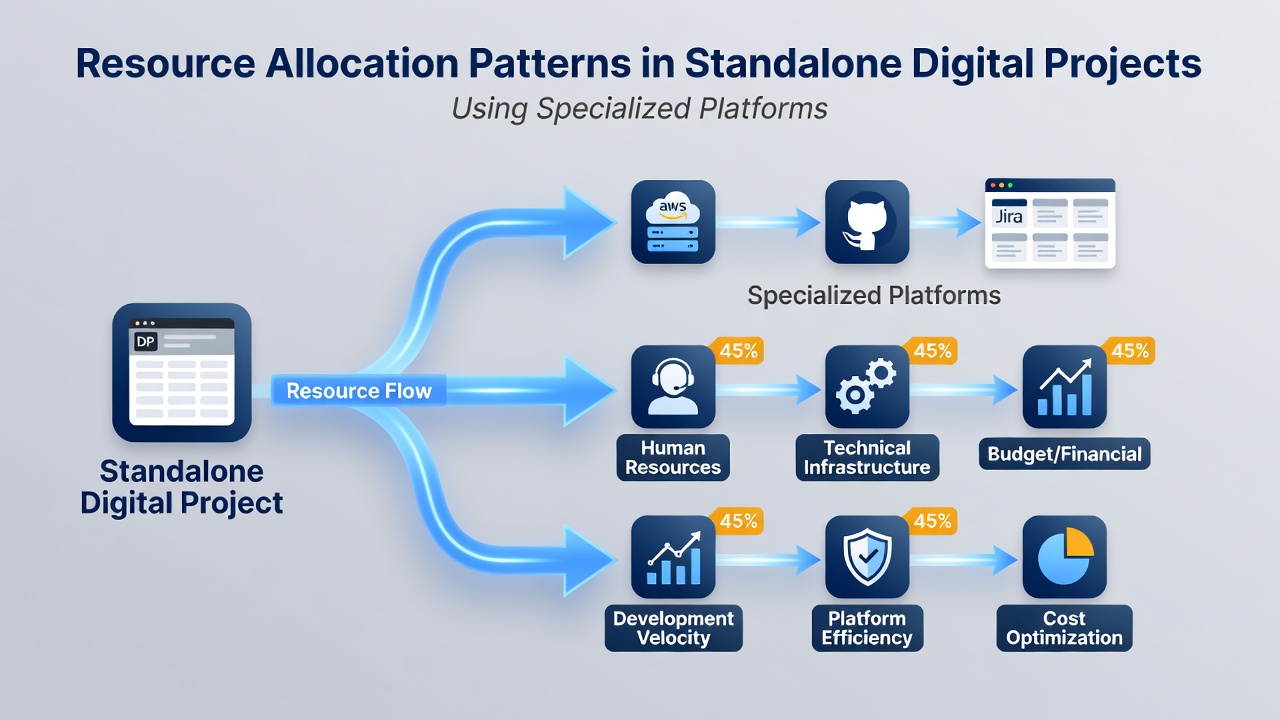
Independent developers and small teams have shown consistent patterns when distributing budgets, time, and technical assets across standalone digital projects that depend on specialized platforms for coordination adn deployment. These patterns emerge from data collected across multiple sectors, where projects operate without large corporate structures yet still require precise management of limited resources.
Common Allocation Frameworks Observed in Practice
Studies tracking solo and micro-team initiatives reveal that roughly 40 percent of total project hours typically go toward initial platform setup and integration during the first quarter, while the remaining effort shifts toward content creation, testing, and iterative updates. Platforms such as cloud-based project trackers and version control systems allow users to monitor these shifts in real time, reducing the need for manual spreadsheets that once dominated smaller operations. Observers note that projects using integrated analytics modules often reallocate up to 15 percent of their original budget from administrative tasks to core development once automation handles routine reporting.
Platform Features That Influence Distribution Decisions
Specialized platforms provide dashboards that display live metrics on server usage, team availability, and milestone progress, which in turn guide daily resource choices. For instance, when a platform flags rising cloud storage costs, developers frequently move non-critical assets to lower-tier tiers or schedule them for off-peak processing windows. Research from the OECD indicates that such dynamic adjustments have become standard since 2023, particularly among European-based independent sites that must comply with varying data residency rules across member states.
Those managing multiple concurrent projects often adopt tiered access controls within the same platform, granting full editing rights only to core contributors while limiting external collaborators to comment or review functions. This structure keeps licensing fees contained and prevents over-allocation of premium seats that would otherwise inflate monthly expenses.
September 2026 Data Trends and Geographic Variations
Figures released in September 2026 by the U.S. Bureau of Labor Statistics showed a 12 percent increase in freelance digital project activity compared with the previous year, with many participants citing specialized platforms as the primary reason they could maintain operations without dedicated administrative staff. In parallel, reports from the European Commission highlight that projects in the EU region allocate a higher share of resources to compliance modules built directly into their chosen platforms, whereas Australian independent developers tend to prioritize cost-tracking tools that integrate with local tax filing systems.
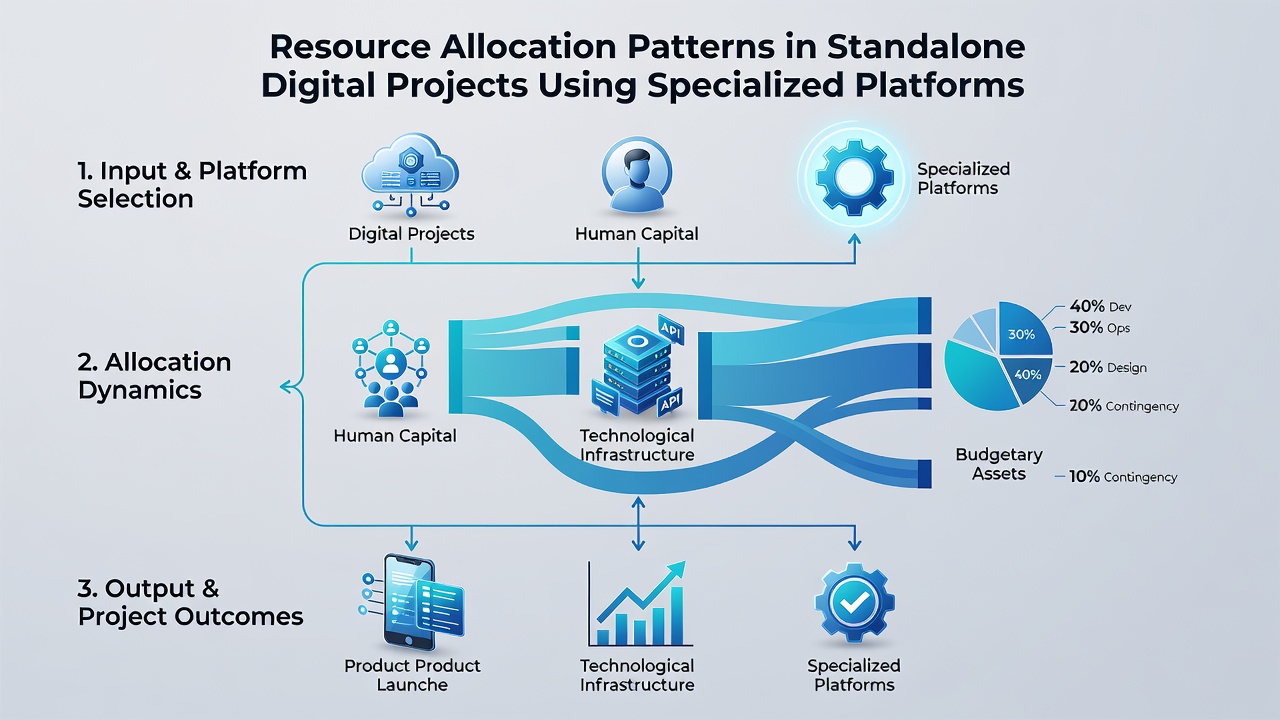
One documented case involved a Canadian developer who consolidated three separate tools into a single specialized platform in early 2025, resulting in a measured 22 percent reduction in subscription overlap and a corresponding increase in funds available for performance testing. Similar consolidations appear frequently in industry surveys, where participants report reallocating saved funds toward security audits or accessibility improvements that platforms now flag automatically.
Challenges in Maintaining Balanced Distribution
Even with advanced platform features, projects encounter friction when external factors such as sudden regulatory changes or unexpected traffic spikes force rapid reallocation. Data from academic papers published by researchers at the University of Melbourne indicate that projects lacking pre-set contingency thresholds within their platforms experience longer recovery times after such events. Those who configure automated alerts tied to budget thresholds, however, maintain steadier progress because the platform surfaces the need for adjustment before costs exceed planned limits.
Conclusion
Patterns of resource allocation in standalone digital projects continue to evolve alongside platform capabilities, with measurable impacts on how time, money, and personnel are deployed. Continued collection of usage data across regions will clarify which configurations deliver the most stable outcomes for independent operators relying on these specialized systems.